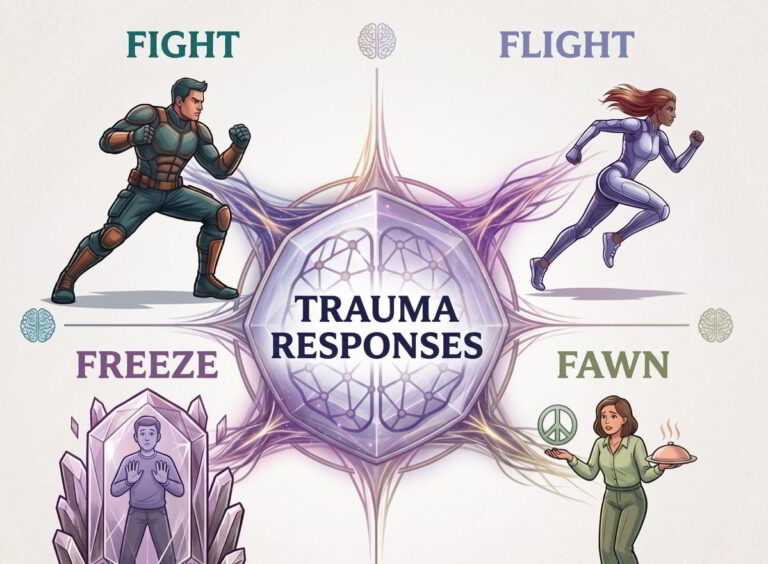


How to Release Trauma From the Body

Trauma is often thought of as something that lives in our thoughts and memories, but it doesn’t stop there. The truth is, trauma can also be stored in the body, shaping physical sensations, muscle tension, posture, and even the way we respond emotionally to everyday situations. 

Do I Need a Sex Therapist?

We live in a world where we are constantly bombarded with images and messages about sex, yet when it comes to our own personal lives, many of us struggle in silence. We wonder if our libido is too high or too low, if our physical responses are “right,” or if the challenges we face in our relationships are signs of a deeper problem. These questions can be heavy, and because of the lingering stigma surrounding sexual health, they often go unasked and unanswered.

Early Warning Signs & Symptoms of a Depressive Episode

Depression is like a slow-creeping fog that settles over your life. It can build over months or even years, gradually draining your motivation and creating a profound sense of disconnection from the activities, hobbies, and people you once enjoyed. Because these changes are incremental, they can be difficult to spot while you are in the middle of them. You might notice you’re a little more tired than usual, or perhaps you’ve lost interest in a hobby you once loved. In isolation, it’s easy to dismiss these feelings as “just having a stressful week” and “feeling a bit run down.” However, recognizing that these moments happen quite often is an important step in admitting you may need additional support in caring for your mental health. Awareness is not about labeling yourself; it’s about understanding your mind and body so you can take proactive steps toward feeling better. When you can recognize the early signs of a depressive episode, you can seek help sooner, implement effective coping strategies, and potentially lessen the duration and severity of the episode. What Is a Depressive Episode? A depressive episode is a period of time marked by persistent sadness, low mood, or a loss of interest… Read more »

Unsure of Your Gender? Benefits of Gender-Affirming Therapy

When you’re questioning your gender identity, you may find yourself wondering why certain expectations feel uncomfortable, why specific labels don’t quite fit, or why you feel most at ease when expressing yourself in ways others don’t expect. At the same time, societal norms, family dynamics, cultural messages, and internalized fears can make it difficult to sort through complicated feelings on your own.

Do I Need a Gender Therapist?

Exploring or affirming your gender identity can be an exciting and empowering journey, but it can also come with questions and emotional challenges. Many individuals navigating gender identity, whether considering a medical transition, questioning their gender, or simply seeking self-understanding, may feel overwhelmed, uncertain, or isolated at times. Recognizing when professional support could be helpful is an important step toward navigating these experiences safely and confidently.

Is Sex Therapy Effective? Issues Addressed & Long-Term Benefits

Intimacy is often considered the cornerstone of a healthy romantic relationship and a vital component of personal well-being. It is the bridge that connects us to our partners and reinforces our sense of vitality. However, despite its importance, our sexual lives are rarely linear or trouble-free. Many individuals and couples, regardless of age, gender, or orientation, face significant challenges in the bedroom.

What’s Taught in Sex Therapy? Types & Common Exercises

A fulfilling and pleasurable sex life is a vital component of overall well-being. It fosters intimacy, reduces stress, and strengthens the bond between partners. However, maintaining that connection isn’t always easy. Over time, stress, medical issues, shifting relationship dynamics, past trauma, new life changes, and the exhaustion of daily life can create significant barriers to intimacy.

What’s Gender Identity Therapy? Best Types of LGBTQIA+ Therapy

Everyone deserves high-quality, comprehensive healthcare that addresses both physical and mental well-being. For individuals questioning their gender, navigating their identity, or struggling with acceptance from others, gender therapy can be life-saving. After all, studies and surveys consistently show that transgender and non-binary individuals face a disproportionately higher risk of mental health challenges, including anxiety, depression, and suicide, often due to social stigma, family pressure, and internal conflict.

Parenting in the Gray: Helping Kids Navigate Gender and Identity Questions

In today’s evolving social landscape, parenting is increasingly taking place in the “gray”, a space where binary ideas of gender, identity, and roles are being redefined. For many parents, this shift can be both enlightening and challenging. As children explore who they are in a world that no longer confines them to rigid categories, caregivers are tasked with providing support, education, and emotional safety, often while navigating their own questions and learning curves. Understanding the Gray Space Traditionally, gender and identity were perceived in black-and-white terms. Boys wore blue, girls wore pink. Boys played with trucks; girls played with dolls. But the reality is far more nuanced. Children today may identify as nonbinary, transgender, gender-fluid, or express themselves in ways that defy conventional labels. This gray area can be confusing for parents who were raised in a world with clearer (though more restrictive) boundaries. But it also offers a unique opportunity: to raise children who are self-aware, empathetic, and free to become their authentic selves. Why Gender and Identity Conversations Matter Early Children begin forming ideas about gender as early as age two. They absorb messages from media, peers, school environments, and most powerfully, from their parents. When children see… Read more »

Digital Detox Diaries: Reclaiming Your Mental Space from Screen Time

In an age where screens dominate our daily lives, from work meetings on Zoom to endless scrolling on social media, our mental space is becoming increasingly cluttered. The constant influx of notifications, messages, and digital distractions leaves little room for mindfulness, creativity, or deep reflection. Enter the concept of a digital detox—a conscious effort to reduce screen time and reclaim our mental well-being. The Impact of Excessive Screen Time Studies have shown that excessive screen time is linked to increased stress, anxiety, and even depression. The blue light from screens disrupts sleep patterns, social media fosters unrealistic comparisons, and the pressure to be constantly available can be mentally exhausting. As our devices demand more of our attention, our ability to focus, think critically, and engage in meaningful offline experiences diminishes. Beyond mental health, prolonged screen use also affects physical well-being. Poor posture, eye strain, and sedentary behavior are just a few of the physical consequences. It’s no wonder that so many people are feeling burnt out from their digital lifestyles. Signs You Might Need a Digital Detox Not sure if you need a digital detox? Here are some signs: You feel anxious when you’re away from your phone. You find… Read more »